The first spring after building showed us that the forest mainly needed time. See how LoveLaski's surroundings found their rhythm again.
The first spring after building was delicate and uneven. For us, seeing it emerge was more moving than a perfectly finished garden.
Grasses, shoots and animal tracks appeared in areas disturbed by the works. The forest began to recover, needing time and as little interference as possible.
Cabins that belong in the landscape
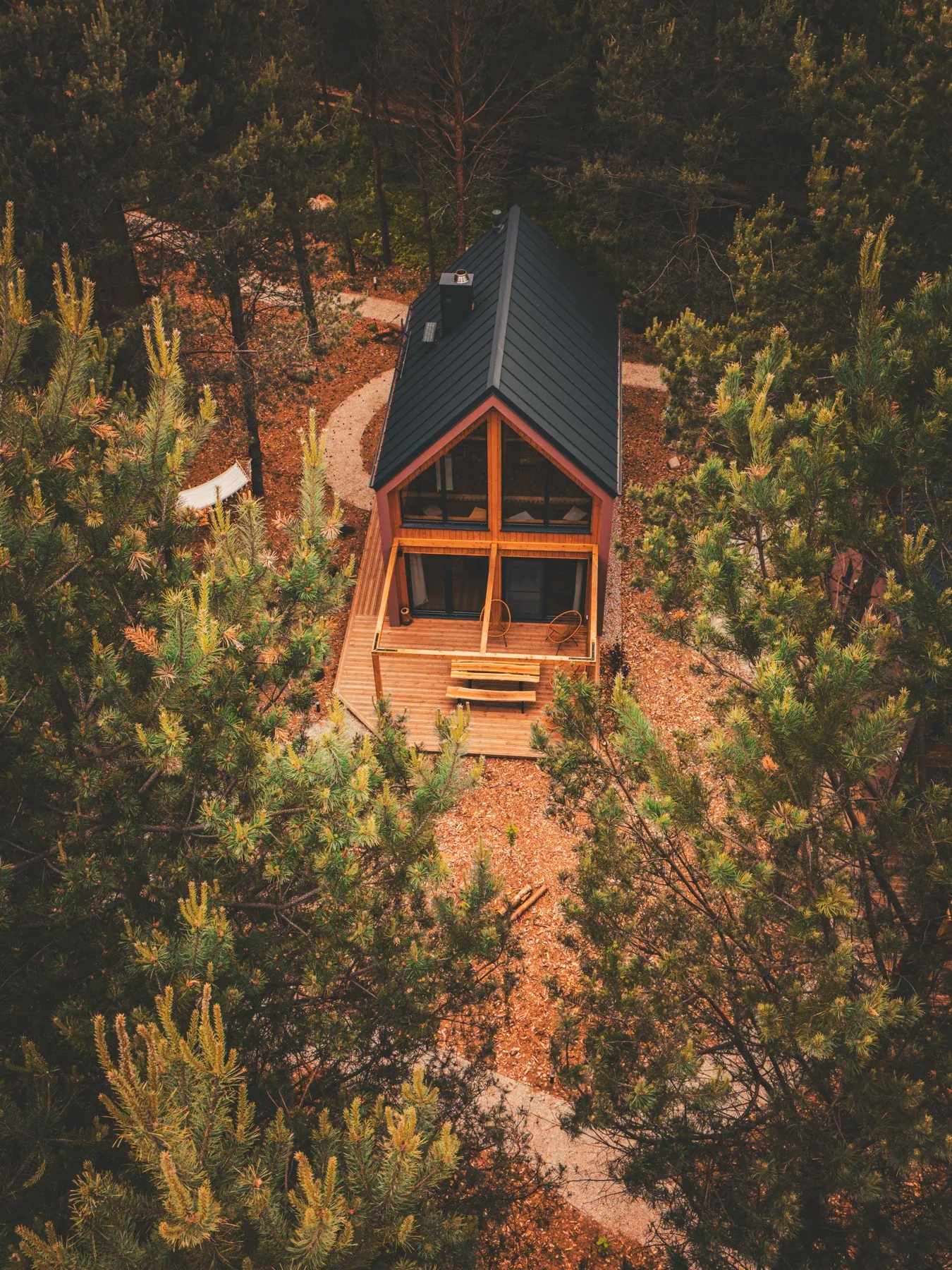
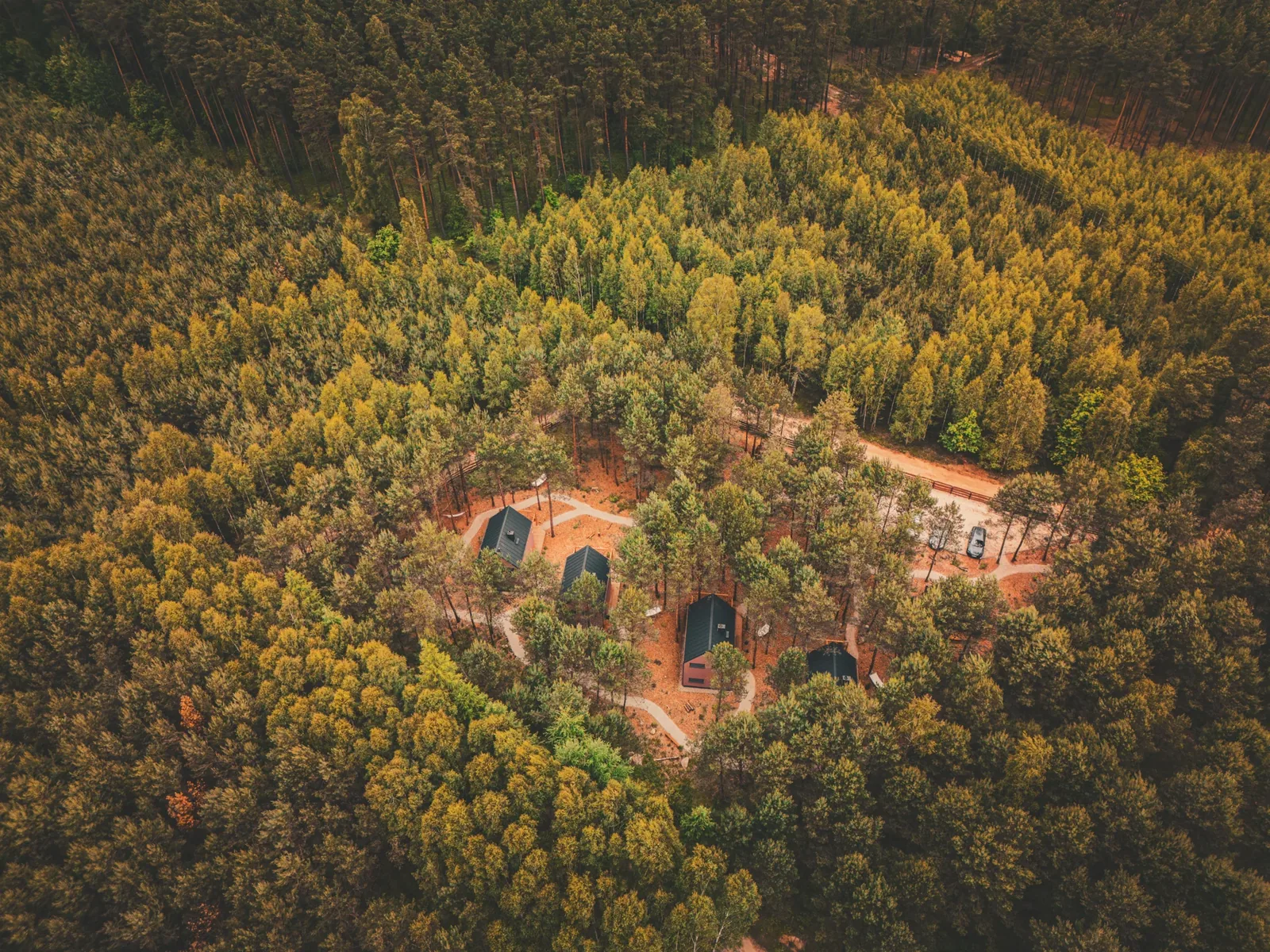
We had always wanted the four cabins to fit into their surroundings. We retained as many trees as possible, limited changes to the terrain and kept the forest view central to our decisions.
Building leaves a mark. We believe in being honest about that.
Native plants and a woodland setting
After the main work, we introduced species suited to the local environment and replenished the woodland mulch, helping the soil and vegetation return to their natural rhythm.
The first shoots were small but meant a great deal. They showed us the value of patience.
The bird boxes soon had visitors
We put up bird boxes in the autumn cold and rain, unsure whether they would be used. In spring, movement and birdsong appeared around them.
Birds are residents of the forest. Watch them from a distance, perhaps from your terrace or through the cabin windows.

Spring arrives gradually in the forest
First the light changes. Then come more birdsong, soft moss and fresh green growth. Every week looks a little different.
A spring stay needs no special event. A short walk is enough to notice small changes.
What that first spring taught us
That spring showed us that sometimes the best thing to do is step back and give nature time.
The same thought still guides LoveLaski. The cabins offer warmth and comfort while the view outside follows its own rhythm.
Frequently asked questions
When does spring start in the Tuchola Forest?
There is no fixed date. Early changes may appear in late winter, with greenery developing gradually as temperatures and daylight increase.
Are the LoveLaski grounds a garden?
We preserve their woodland character rather than maintaining a formal ornamental garden.
See spring dates and a forest finding its own way